




Sep 7, 2025
 Download Tip Sheet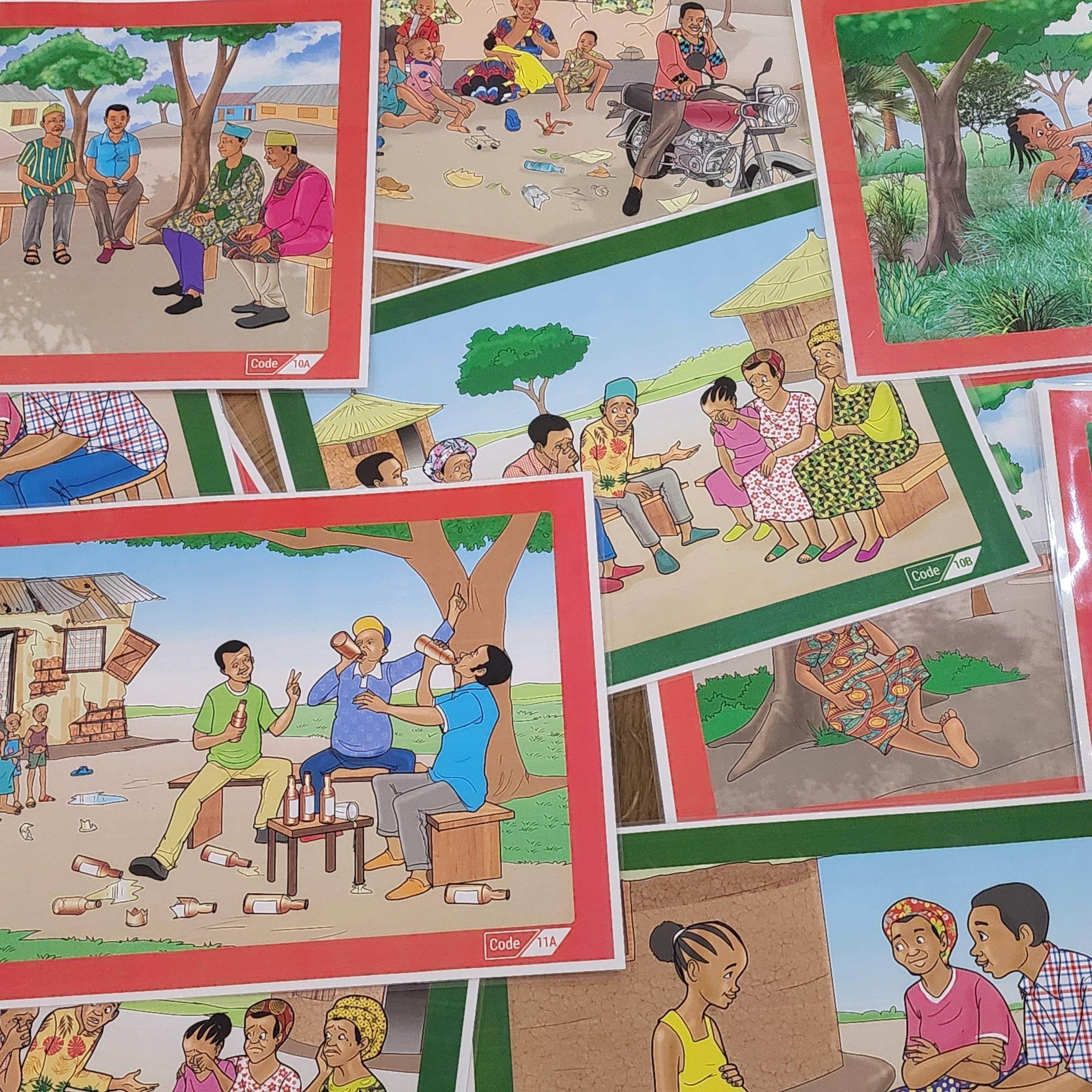
Episcopal Relief & Development has been using images to help teach and support communities for more than twelve years. Currently, it uses picture cards in fifteen countries across Africa, Asia and Latin America focusing on helping young children grow and learn, stopping and preventing violence against women and girls, improving nutrition and income sources, and preparing for climate-related and other disasters. Plans are also underway to expand their use in the Violence Prevention, Protection & Resilience programs in the Democratic Republic of Congo, Burundi and Tanzania.
Episcopal Relief & Development calls the image cards it uses FAMA (Facts, Association, Meaning, and Action) cards. It uses these cards to guide people in exploring and discussing issues that impact their lives and communities.
What are FAMA Cards?
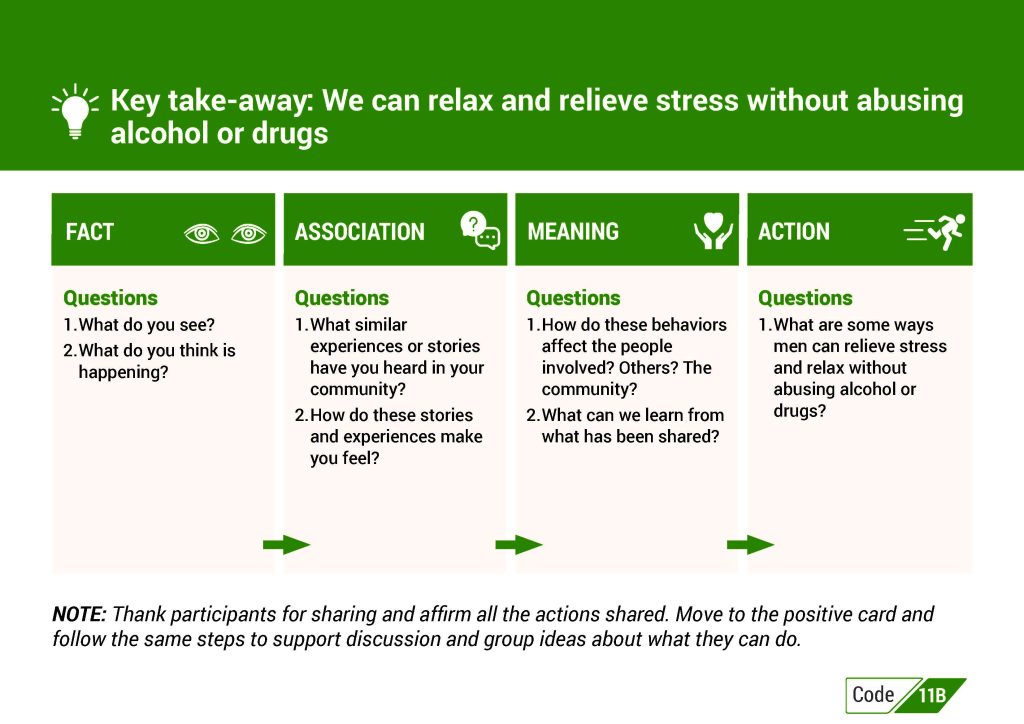
FAMA is a guided process that uses questions and storytelling to support self-discovery and to help people learn from and with each other. The goal is to support learning, encourage positive change and help people come up with their own solutions to the challenges they face.
The FAMA questions and sharing sequence is as follows:
- FACT – People think and talk about what they just heard, saw or did on a specific topic
- ASSOCIATION – People relate what they just heard or did to their own lives and feelings
- MEANING – People talk about why the lesson or message matters to them, others, and their community
- ACTION – People decide what they will do and make a personal plan
Story cards have been used across Africa in development work for many years; it is a well-known way of doing community development and training in low-literacy areas. For Episcopal Relief & Development, FAMA cards are a proven, easy to use, easy to teach, and low-cost way to educate for change.
How to Develop FAMA Cards?

Over time Episcopal Relief & Development has honed its images and messaging. Below are the guidelines it uses to develop FAMA cards:
- Context matters – audiences need to see themselves and their communities in the images
- Language matters – when familiar and accessible language is used, key messages are more clearly understood
- Practice matters – ensuring key messages are learned and actions are taken requires practice
- Relevance matters – identifying issues and scenarios that are important is critical to learning, behavior change and impact
- Visual cues matter – both audiences and facilitators rely on elements like icons, color-coding, and sequencing to interpret information quickly and effectively
When to Use FAMA Cards?
Episcopal Relief & Development uses FAMA in the following situations:
- To facilitate group reflection and decision-making
- To promote understanding and empathy
- To drive locally-led solutions to community challenges
- To engage low-literacy adult audiences
How to Use FAMA Cards?
One of the strengths of using FAMA is that it is not complicated. Here are the three main steps:
- Gather everyone in a circle, ensuring everyone can see you and each other
- Welcome everyone and explain what you will be doing
- Follow the prompts on the back of each card to invite reflection and dialogue

Tips for Success
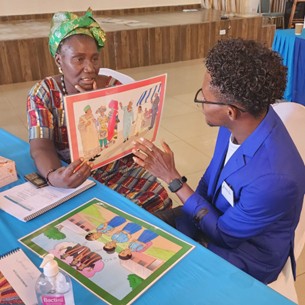
- Print each card large and in color. A minimum of A3 format (11.7 x 16.5 inches) is recommended so details on the images can be clearly seen and recognized. Each image will need to be passed around for inspection and reflection by each participant present.
- Check in with participants. Ensure that everyone has accurately understood the instructions and process.
- Speak slowly and loudly. Everyone needs to be able to hear you to know what is expected and how to engage. Check with the group to ensure your voice is clear enough for all to hear.
- Pause often and don’t rush. It is important that there is time for reflection, introspection, and wondering. Learning will happen as space is offered for personal meaning-making.
- Ensure one person speaks at a time. You honor and value each person’s sharing by ensuring sufficient time and quality listening. Find gentle ways to discourage interruptions.
- Show curiosity. Whether with your body language or your words, participants need to feel you are genuinely curious to hear their thoughts. The more they believe you want to hear from them, the more they will share and the more vulnerable they will be.
- Affirm all answers. Affirmation is like oxygen – it will energize the sharing. A gentle “thank you” can be helpful, but a kind nod can also be sufficient. When there is momentum and people are talking and sharing, letting the comments flow without additional affirmation can be helpful.
A Word of Caution
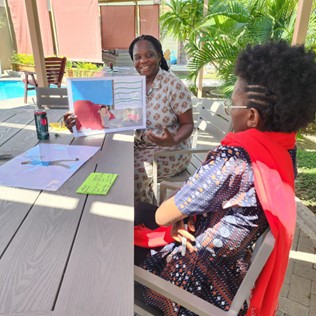
- There is [often] no one right answer, so don’t fish for one. If the group feels like they are being tested, they may not speak freely. FAMA, at its core, is about facilitating dialogue and deep listening. While there are clear key messages, people need to share their own stories, ideas, and the actions they want to take to support change.
- Don’t try to cut corners. If you don’t have enough time to facilitate the entire process and ensure an authentic meaningful conversation, consider doing it another time. Cutting corners may lead to more harm than good.
- Keep your personal biases in check. If the group gets the sense that you are looking for specific answers or types of sharing, they may work to oblige. Authentic personal sharing – of any and all kinds – is desired to ensure it is relevant to those who have gathered.
For Episcopal Relief & Development, FAMA cards are an invaluable learning tool used in many global programs. The power of FAMA lies in its process – one that actively engages communities in identifying their own solutions. Its impact on behavior change is well recognized, both internally and externally, by donors, learners, community members, and partners. The potential of the process is limited only by our imagination: how might we apply it in new or previously unconsidered contexts?
How might you use visuals to deepen learning?
Kellie McDaniel is the Director of Instructional Design and Learning Experience at Episcopal Relief & Development. With a blend of creativity and strategy, Kellie collaborates, guides and crafts engaging, practical experiences—whether in workshops, online courses, or community-based settings—that are grounded in real-life impact and driven by purpose.
Jeanette Romkema is GLP Senior Consultant and Network Director. GLP has collaborated with Episcopal Relief & Development on numerous occasions in work that involved FAMA cards, and was inspired by what she saw. Read more blogs by Jeanette.
Read more blogs by Jeanette.
Here are some resources for further reading: