




Jan 24, 2012
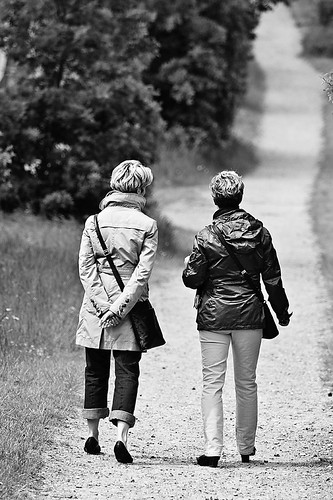 Next week the GLP partners and staff convene in Raleigh, North Carolina for our semi-annual retreat. One of the things that’s very common at our gatherings are “walk and talk” meetings during our extended lunch hours. Something about talking while walking jogs (ha ha) the brain in ways that talking while sitting does not, and it’s a great facilitation tool to use to engage your learners, especially when energy levels are low. Apparently the serotonin levels in your brain are elevated when you walk so you feel happier, a good thing for learning. There are even some therapists who are using the walk and talk method rather than the proverbial couch. Kate Hays, PhD, author of Working It Out: Using Exercise in Psychotherapy cites three key reasons for combining exercise and therapy:
- It encourages a patient to be more physically active for mental and physical reasons.
- It helps a patient get “unstuck” when confronting difficult issues.
- It spurs creative, deeper ways of thinking often released by mood-improving physical activity.”
Turns out that the “walk and talk” really originated as a handy story-telling technique for television and the big screen. Maybe that’s part of why we enjoy it so much; we can feel as important as film characters, like some of my favorites on The West Wing, where they’re always walking and talking.
“Above all, do not lose your desire to walk. Every day I walk myself into a state of well-being and walk away from every illness. I have walked myself into my best thoughts, and I know of no thought so burdensome that one cannot walk away from it.” ~ Soren Kierkegaard
As a facilitator, think about using the Walk and Talk when energy is low, you need to change spaces, or your learning design has involved a lot of previous sitting. Give clear instructions about what to talk about for a specific amount of time. And hey, while you’re designing your learning event, if you’re stuck on something and can’t figure it out, take a break and take a walk. Chances are good you’ll jog your brain into some great new thinking. What kinds of walk and talk tasks have you used?
Joan Dempsey is a Certified Dialogue Education Practitioner, teacher and author.