



Nov 18, 2025
 Download as PDF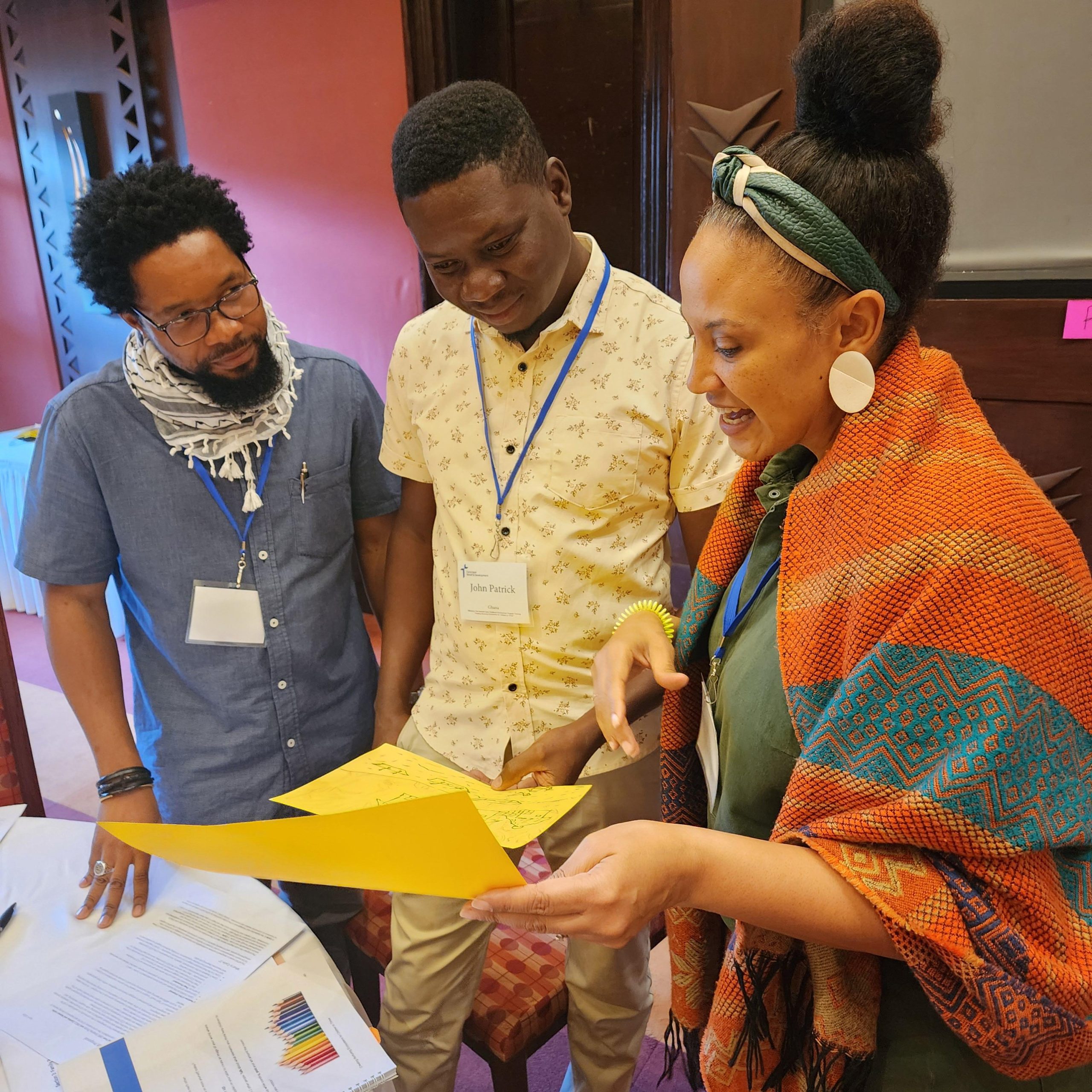
“Can Dialogue Education work in non-Western cultures? I’m not sure how well it would work in my learning context.”
This question comes up often when I present the principles of Dialogue Education to people engaged in multi-cultural organizations and communities. Most recently, a gentleman from India voiced strong doubts regarding its use in his community of learners.
“They want someone to teach them. They expect the teacher to be ‘the expert’ and to tell them everything. I don’t know if it will be ‘rigorous’ if I’m not this kind of teacher.”
My response: The principles of adult learning theory are for all learners everywhere, regardless of culture. They may look different in different situations, but the principles need to be attended to and ensured.
Then, I asked a question of my own: “How were you and others in your context taught to learn? Who taught you?”
Answer: A Western nation taught them what to know, what to think and how to learn.
He was surprised at this revelation and encouraged to realize that the style of education was actually not indigenous to his culture. Thus, it was indeed possible to introduce his learners to a learning-centered approach and this way of learning.
Paulo Freire, a Brazilian educator and philosopher, had much to say about the nature of education:
There’s no such thing as neutral education. Education either functions as an instrument to bring about conformity or freedom.
[Pedagogy of the Oppressed]
The teacher is of course an artist, but being an artist does not mean that he or she can make the profile, can shape the students. What the educator does in teaching is to make it possible for the students to become themselves.
[We Make the Road by Walking: Conversations on Education and Social Change,
with Myles Horton]
Using a learning-centered approach (what Global Learning Partners calls Dialogue Education) in different cultures offers individuals and groups space to engage and learn such that learners can envision using the content within their own cultures and communities.
A Personal Example

Some years ago, I was invited to teach a course in leadership to a group of college students in Addis Ababa, Ethiopia. At first, I turned down the invitation believing that the young male students would not receive such instruction from a white American woman. The head of school assured me that my credentials and experience would be enough to gain their trust.
I designed my course, assembled a reader, and developed assignments using Dialogue Education principles and practices.
By the third class, I could see the frustration and fear on my students’ faces. They were frantically trying to write down everything I said in English, which was not their first language. They were uncomfortable with dialogue and fearful of engaging in discussions unless they knew the “right answer.” They were most concerned about earning a good grade.
To ease their anxiety, I put the entire course on a flash drive and gave it to a student to make copies for everyone in the class. Thus, they no longer needed to write everything down and were able to listen and engage with each other and with the content they were learning.
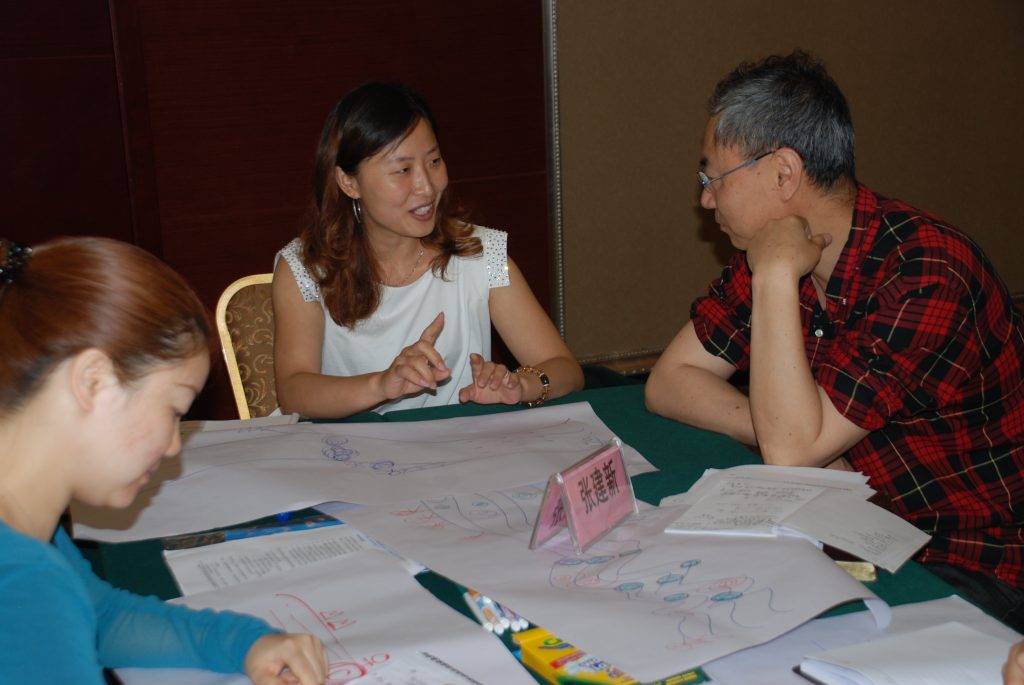
I had to explain why engagement with each other and the content was important for learning and needed to ensure enough safety for everyone to participate in a meaningful way. I brought in community leaders and encouraged them to ask questions of those they respected. Slowly, they began to share their own observations, opinions and conclusions. Slowly, learning happened and excitement was built.
By the end of the course, they felt empowered. Their anxiety had dissolved. Their focus shifted from earning a grade to learning as a community.
How do you use the principles of Dialogue Education in the cultures in which you work?
Dr Sara Salloum is passionate about learning. That passion led her through many different fields of study including engineering, accounting and biblical studies. She earned her Doctorate in Educational Leadership. As founder of LearningMaximized, she focuses her cumulative knowledge and experience on meeting the learning and development needs of non-profit and faith-based organizations, both domestic and international. In addition to serving her clients, Sara enjoys gardening, writing, painting and traveling. You can learn more about Sara and her work on her LinkedIn page.
Read more blogs by Sara.