


Nov 18, 2025
The Situation
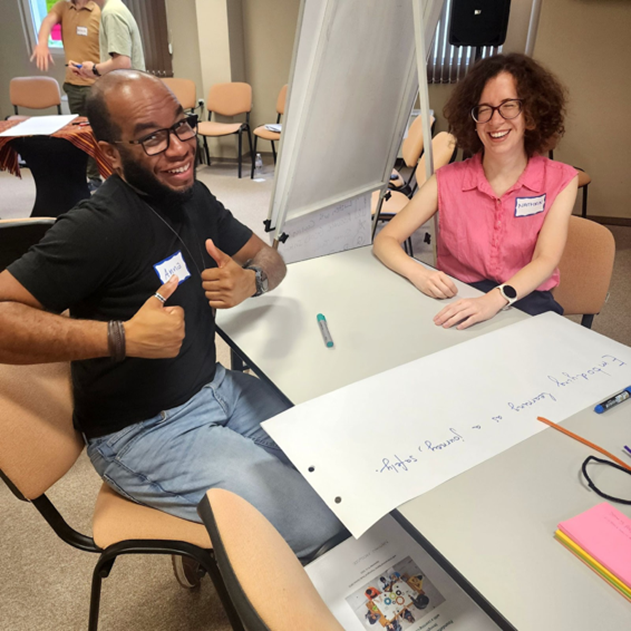
The International Baptist Theological Study Centre (IBTS) has been on a learning journey to strengthen its capacity in learning design and facilitation through a learning-centred approach. Committed to excellence in teaching and formation, IBTS seeks to maximize the potential of every student who engages in its programmes. Through the IBTS Learning Network, a community of scholars, educators, and practitioners across Europe and beyond, we are fostering partnerships and sharing resources to strengthen theological education more widely. The Learning Network (LN), started in 2019, exists to amplify collective impact, ensuring that theological education remains both academically rigorous and contextually relevant for churches and communities across many settings. The Sofia training described below is one way this broader vision is being realized and multiplied. IBTS partnered with Global Learning Partners (GLP) to deepen its organizational skills and embed a rigorous learning-centred methodology across its work.
At IBTS we have asked ourselves, “What does it really mean to teach in today’s global context?” For a long time, higher education has assumed that expertise in content is enough, that if you know what to teach, the rest will follow. But we have learned that knowing what to teach is not the same as knowing how learning happens. Through the Learning Network, we continue to ask, “How do we move beyond the delivery of information toward a shared process of practical theological reflection and transformation in everyday life?”
This ongoing journey is shaping our identity. IBTS is not only a place where knowledge is preserved and passed on, but where learners (tutors, researchers, and students in the LN) explore the skills, practices, and postures that help learning take root and bear fruit. We have embraced this responsibility with intentionality and consistency, growing into a community marked not simply by scholarship, but by transformation.
The Journey
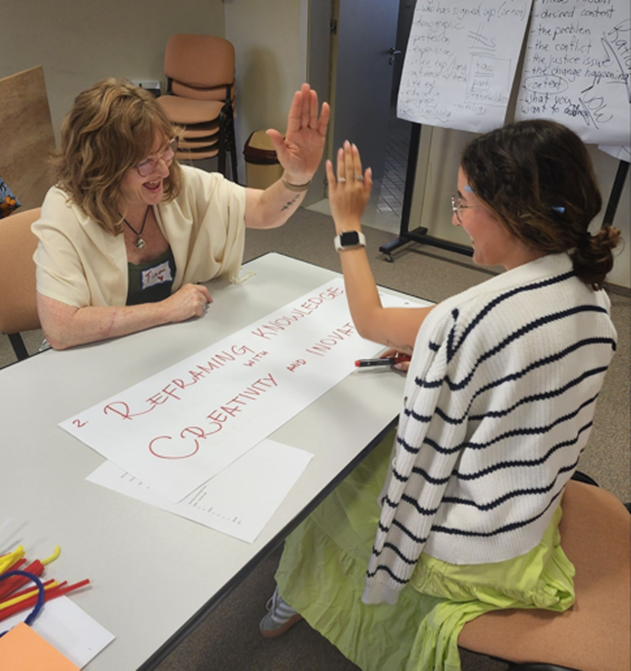
In September, IBTS took a significant step forward. Fifteen theological educators and leaders from across Europe gathered in Sofia, Bulgaria, for a four-day course, Foundations of Dialogue Education: Strengthening Our Work with a Learning-Centred Approach. The course offered tools for designing participatory, contextually grounded, rich learning experiences. Participants explored how to cultivate spaces where learners engage one another meaningfully, reflect deeply, and take active steps in their own growth. Each participant left with a draft design relevant to their own context, along with practical tools and templates ready to be put into practice. In short, this was a course on how to teach, how to ensure learning, and how to maximize the possibility of real change.
The path to this moment has not been simple. A learning-centred approach is not the norm in traditional theological education, where authority often flows one way, from professor to student, and knowledge is measured through lectures, readings, and exams. Choosing a different path has felt risky. Some of the risks include:
- Challenging long-held traditions of theological training, where authority of the teacher is rarely questioned
- Requiring professors to shift from “experts delivering knowledge” to “facilitators of discovery”
- Creating vulnerability for teachers who may feel unprepared or untrained in participatory methods
- Demanding more time, creativity, and flexibility in course design than a lecture-based model
- Risking skepticism from students and institutions accustomed to conventional academic models of success.
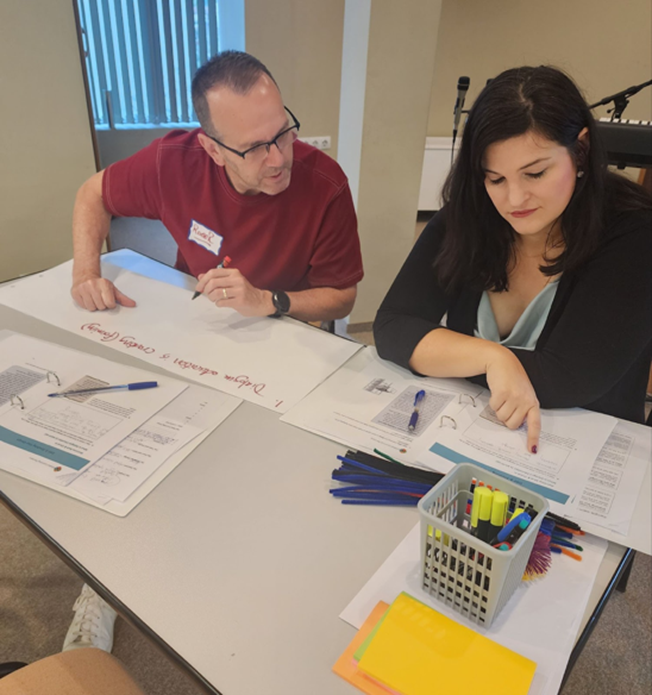
For IBTS, the challenge was even greater, we serve learners from diverse cultural, ecclesial, and regional contexts across the globe, making co-ownership essential yet complex. Added to this, at the beginning of this journey, I was the only one trained in this approach to learning and teaching. Moving forward required patience, persistence, and a willingness to take the long view.
And yet, these very challenges have shaped the strength of the journey. Slowly but surely, IBTS has cultivated a shared vision for what learning can be, dynamic, participatory, and transformative. The Sofia training marked a breakthrough moment of collective ownership, equipping 15 theological educators and leaders serving across the world to lead this shift with skill and confidence.
The Impact
Entering the training in Sofia, the hope was that other educators and leaders within and connected to IBTS would grow their understanding of a learning-centred approach to teaching and a community of practice might develop that could guide us into the future. The following list represented our written hopes for the training.
As a result of this training, participants are expected to:
- Share a common language and approach to designing and facilitating learning events
- Feel greater confidence in planning and leading training sessions
- Design and facilitate holistic learning that engages head (cognitive), heart (affective), and body (psychomotor)
- Create spaces that invite dialogue, reflection, and active participation in classrooms, churches, and broader gatherings
- Employ diverse methods for assessing learning beyond traditional exams, ensuring fuller recognition of student growth
- Strengthen accountability both to their learners and to one another.
Already, the learning is evident. Learning designs are being worked upon. A commitment to the 8 steps of design has been made for this year. The IBTS team continues to explore and experiment with a learning-centred approach and how this changes the way in which we listen, plan, teach, and transform together. This Spotlight underscores IBTS’s dedication to excellence and its vision for theological education that is dynamic, participatory, and transformative. May it be so.
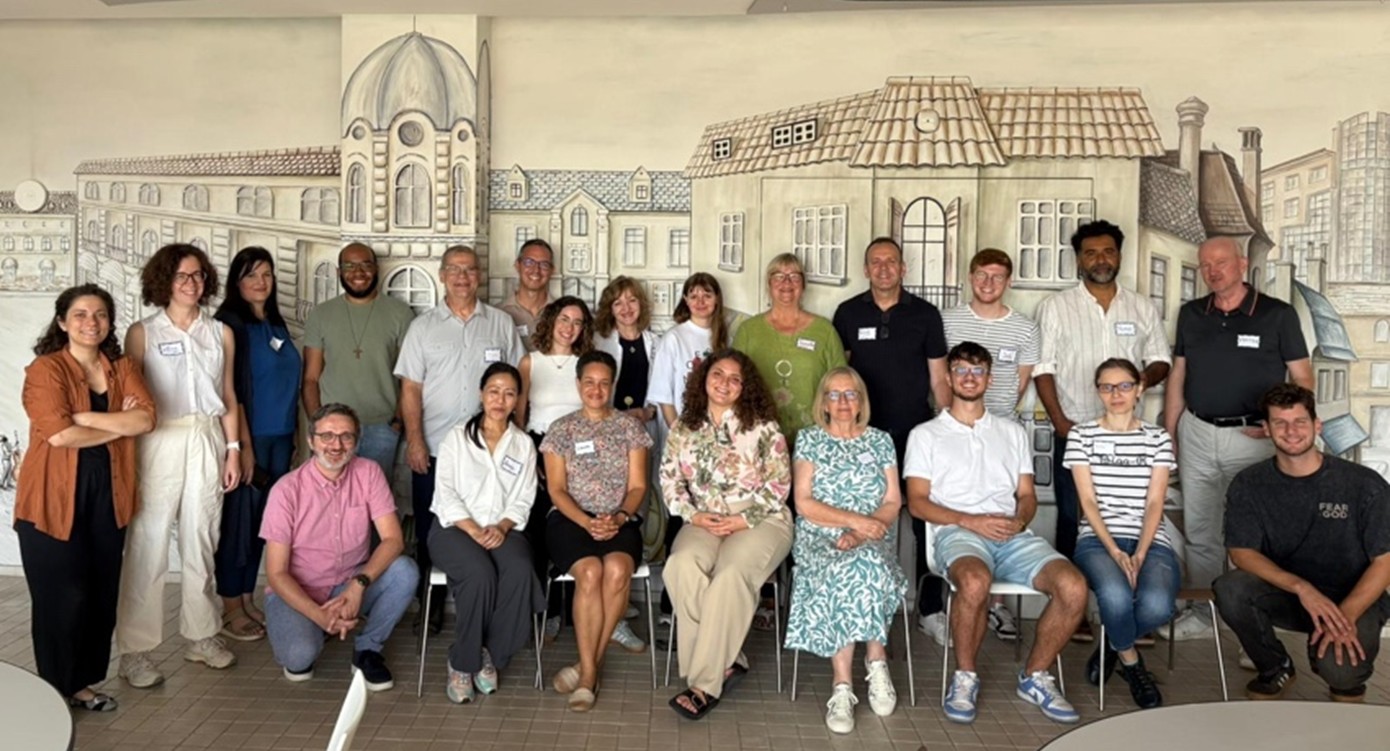
Thank you to Matthew Norman for sharing this heartfelt commitment to strengthen theological education remains both academically rigorous and contextually relevant for churches and communities across many settings. GLP is grateful to be a part of the learning network journey!